
Bilkent Miniature Robotics Lab
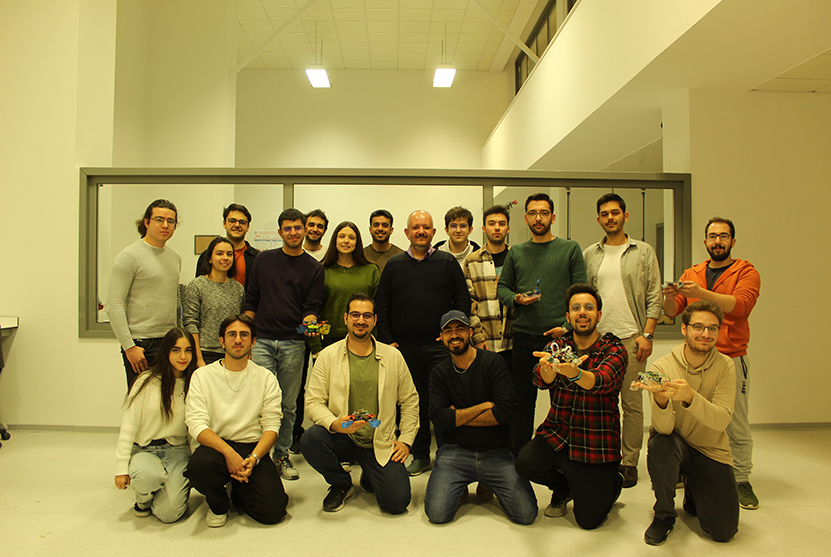
Our lab was founded by Dr. Onur Özcan in January 2015 as part of the Bilkent University, Mechanical Engineering Department. Our main research area is novel miniature robotic systems.
We are interested in unconventional manufacturing techniques for miniature robot fabrication, novel actuation methods for miniature robots, small-scale physics behind miniature robot locomotion, and unique robot designs that allow miniaturization. The robots we develop can be used to access confined spaces in hazardous environments and can be utilized in inspection, reconnaissance or search and rescue missions.
Research questions
We are interested in building unconventional and novel miniature robotic systems to tackle the challenges of miniature robotics and push the envelope in robotics research. We are looking for answers to the following questions:
- Fabrication
How can we make miniature robots more easily and/or inexpensively?
One pressing issue with miniature robots is that they are expensive and difficult to make. The often-used fabrication methods in miniature devices require extensive user training, are very selective towards its substrate, and require an expensive infrastructure. Our research focuses on small terrestrial robots that are fabricated using planar fabrication and origami-inspired folding techniques in to reduce manufacturing complexity.
Related robots MinIAQ-III, C-Quad, MiniCoRe
- Scaling
How can we make robots and their mechanisms smaller?
A primary reason behind creating miniature robots/mechanisms is to exploit scaling laws to build mechanisms that have favorable properties compared to their macroscale counterparts. An example of mechanisms with unique performance when scaled down is the hydrophobic water strider robot legs. When a floating robot is designed to be below a certain weight, these hydrophobic legs can utilize surface tension to make the robot stay afloat without using buoyancy; hence, reducing the drag force experienced by the robot.
Related robots SQuad, SMoLBot-VS, ReLMBot
- Payload
How do we optimize the capabilities of miniature robots?
Due to the limited payload capacity of miniature robots, integrating commercially available sensors and end-effectors to perform tasks is challenging and often infeasible. However, making robots smaller should not mean compromising capabilities or complexity. Our research relies on testing and modeling miniature robot prototypes to increase capabilities such as payload capacity that can be used for sensing the environment and powering the robot.
Related robots SCoReR, M-SQuad, coil spring strain gauges
Externally funded projects
TWIST
Twinning project on sustainable soft robotics with PCCL, EPFL, the University of Bristol and IIT.
BİLGEMAutonomously Reconfigurable Miniature Robots
New camera, infrared and tail modules for ReLMBot, with module selection learned in simulation.
TÜBİTAKTÜBİTAK projects
Soft sensors, aerial robots, soft robots, modular robots, foldable joints and low cost miniature robots.
Robots from the lab
Each robot below was built to study one or more of the three questions. Every card links to the paper or project page that introduced it.
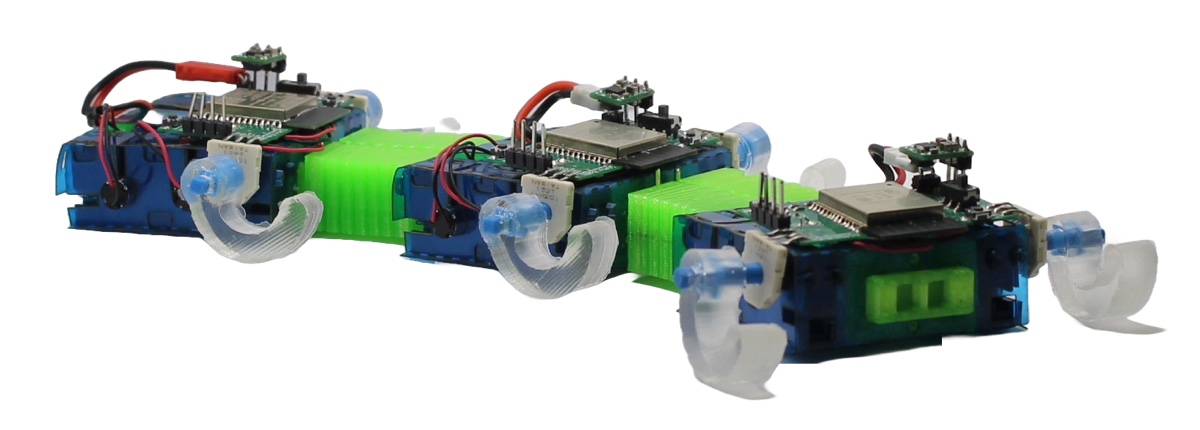
SMoLBot-VS
Soft modular robots that can change the stiffness of their backbone.
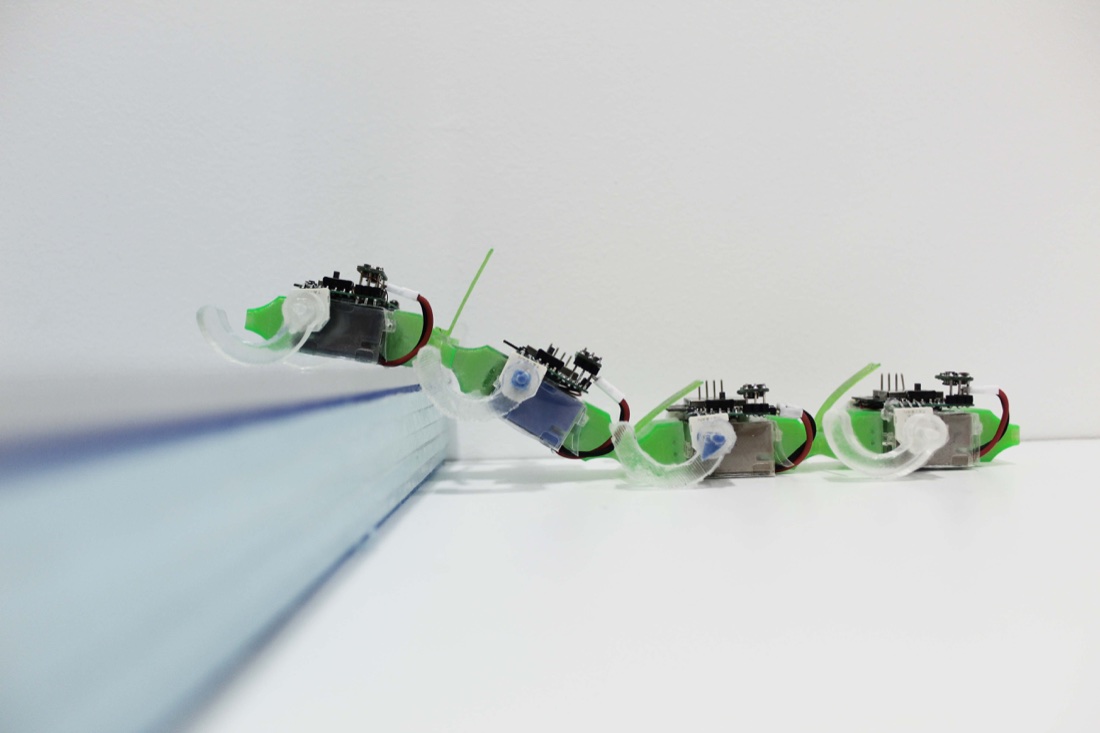
ReLMBot
Reconfigurable modules that link through compliant or rigid magnetic connections, shown climbing over a step.
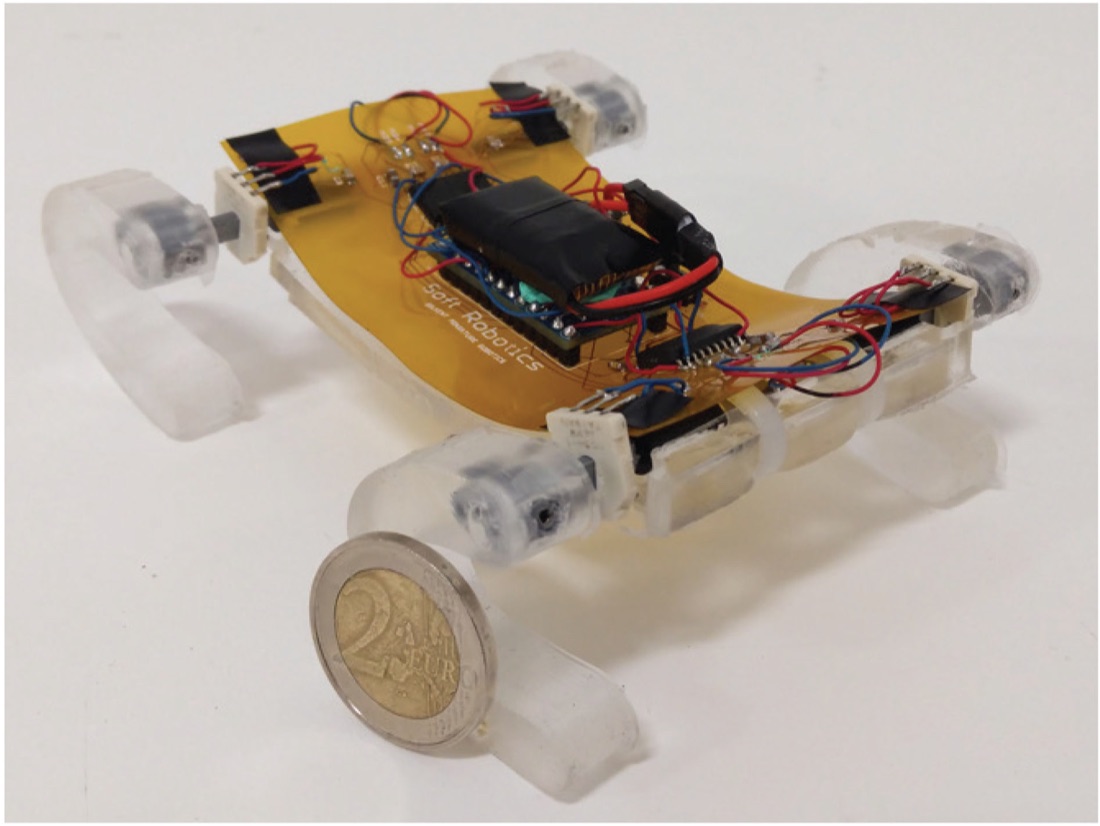
SQuad
Untethered miniature soft quadruped, shown here next to a 2 euro coin.
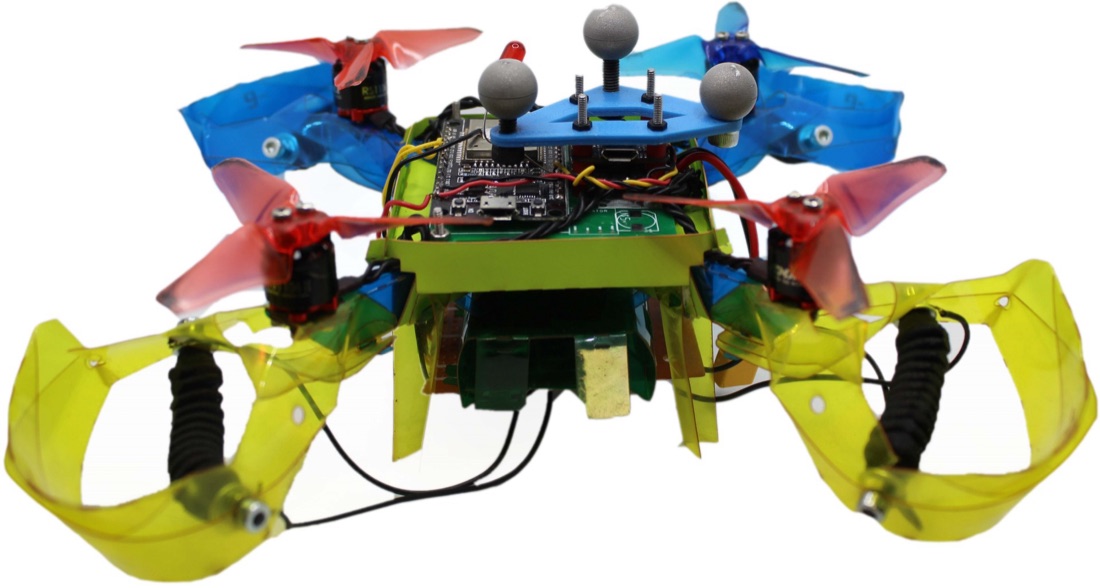
SCoReR
Sensorized collision resilient aerial robot with compliant, foldable guards.
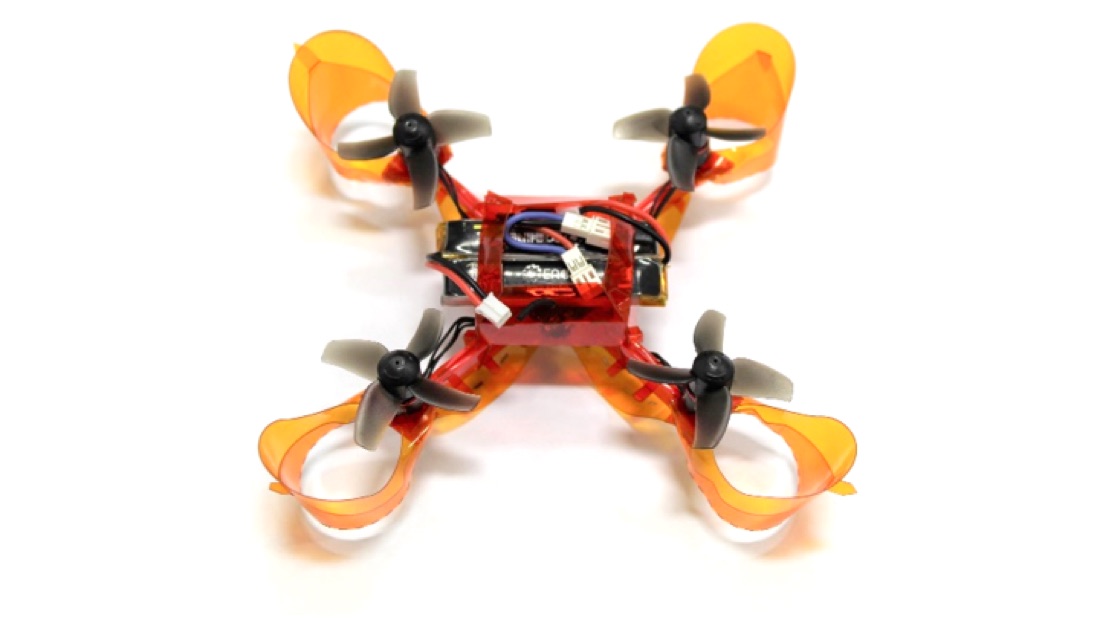
MiniCoRe
Miniature, foldable, collision resilient quadcopter.
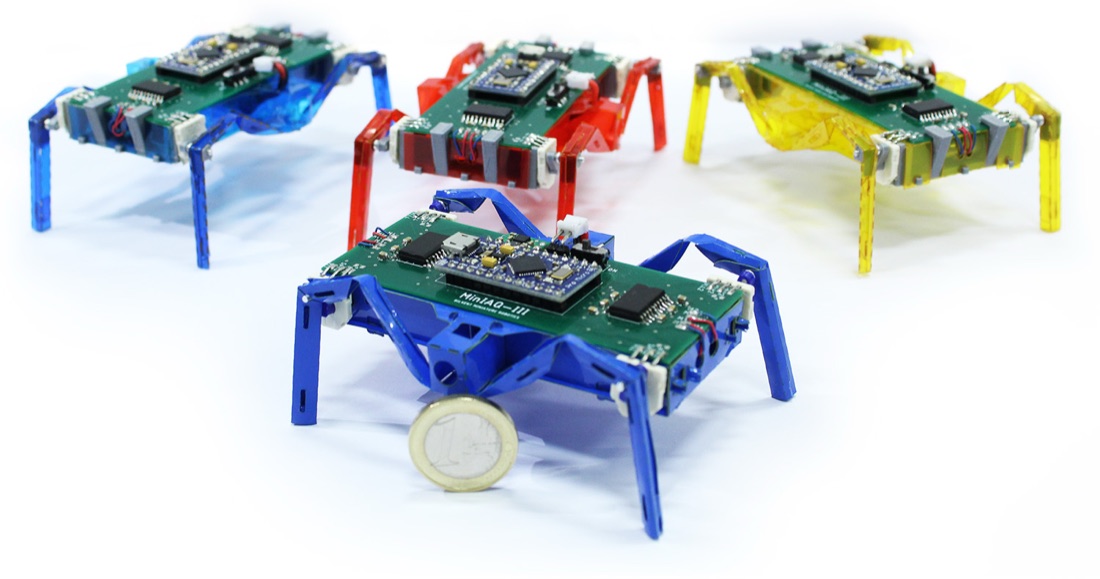
MinIAQ-III
Cheap, printable miniature quadrupeds folded from flat layers, shown next to a 1 euro coin.
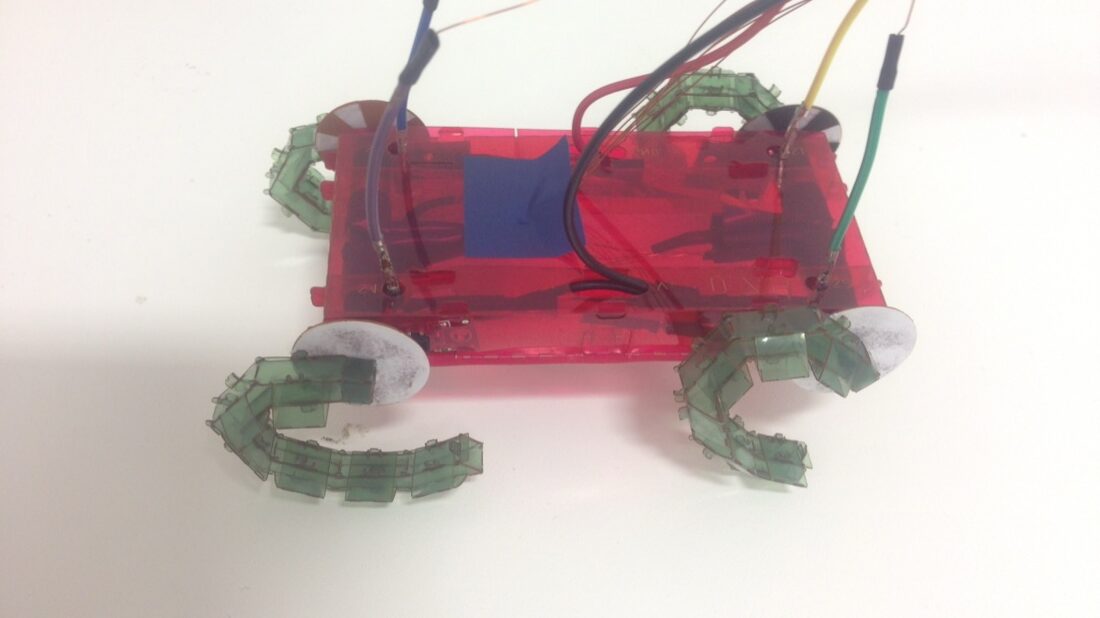
C-Quad
First version of the foldable quadruped with C-shaped compliant legs.
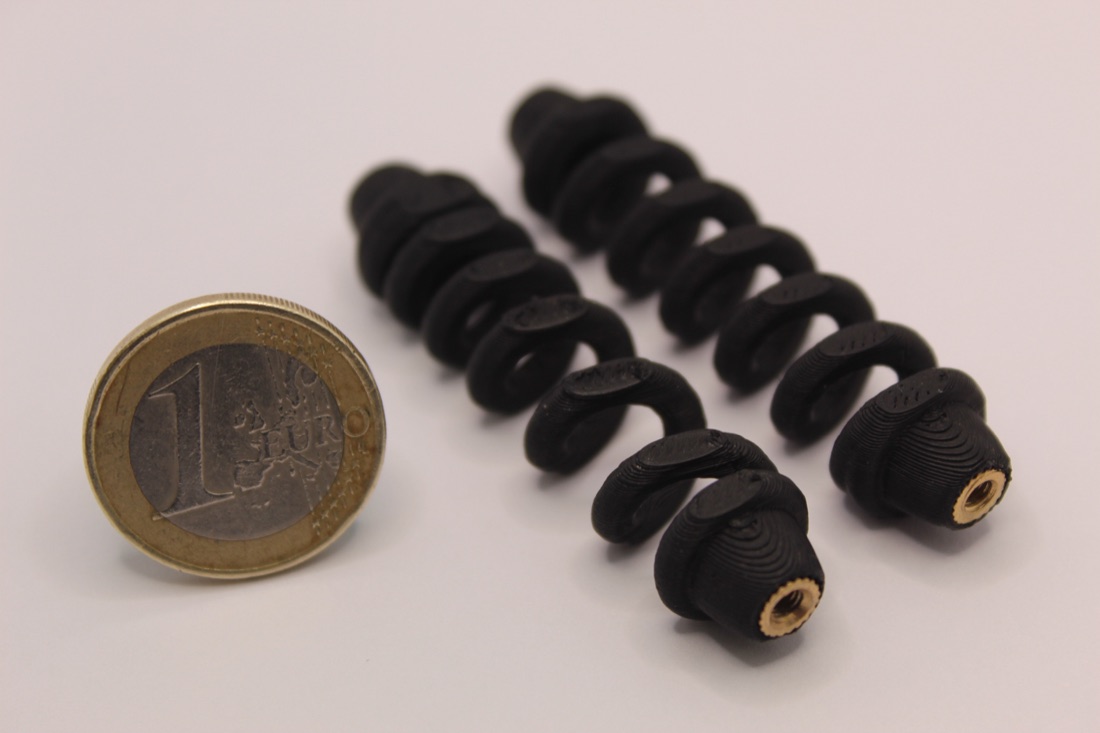
Coil spring strain gauges
Soft conductive spring shaped strain gauges that sense bending and stretch in soft robots, shown next to a 1 euro coin.
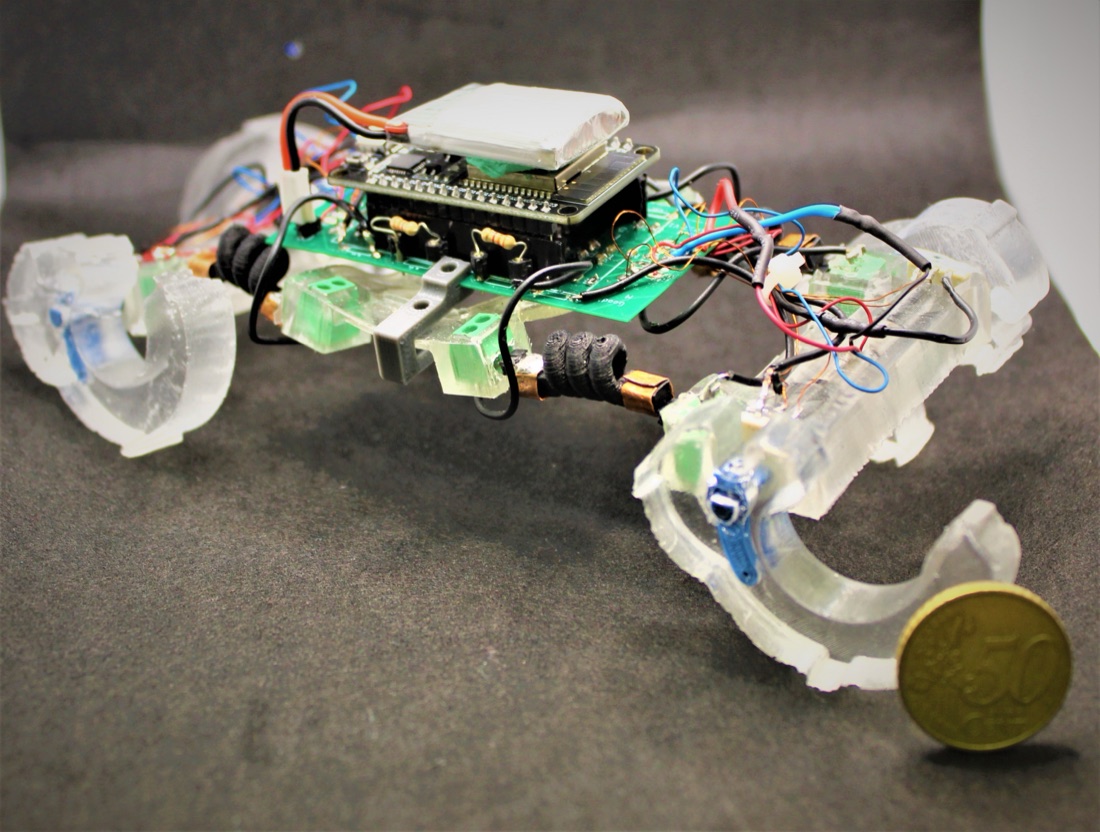
M-SQuad
Miniature legged robot with C-shaped soft legs and soft coil sensors, shown next to a 50 cent euro coin.
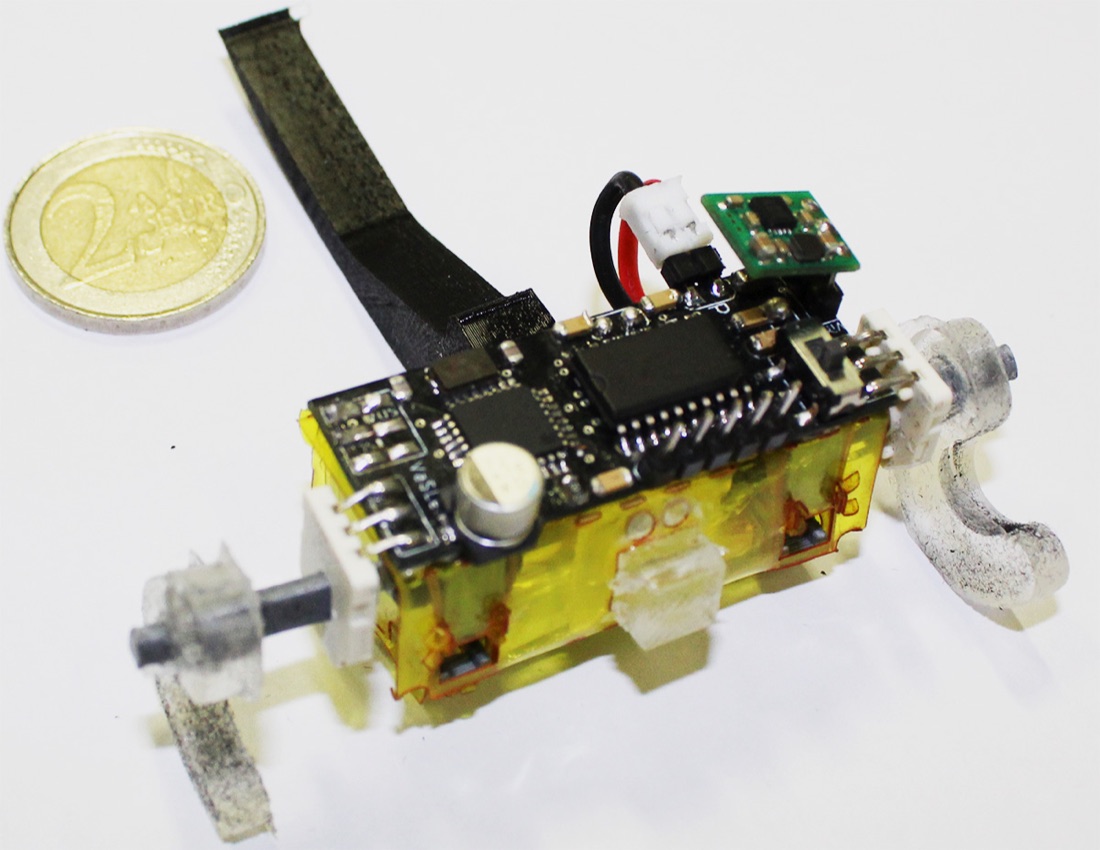
C-SMoLBot
A single SMoLBot module with a soft tail, shown next to a 2 euro coin.
The team
The lab currently has one faculty member, four Ph.D. students and four M.Sc. students.








We are always looking for motivated and hardworking undergraduate or graduate researchers. If you want to be a part of Bilkent Miniature Robotics Lab, contact Assoc. Prof. Özcan directly.
We welcome all Bilkent University undergraduates, who are interested in gaining research experience in the areas of robot design, circuit design, small scale fabrication, controls and materials. For the applications to be considered, the prospective students should submit a formal application through the Bilkent University graduate study application system.
See opportunities
 Bilkent Miniature
Robotics Lab
Contact
Assoc. Prof. Dr. Onur Özcan
Department of Mechanical Engineering
Bilkent University
Bilkent, Çankaya, Ankara 06800 TURKEY
Reach us
onurozcan@bilkent.edu.tr
Phone: +90-312-290-2893
Fax: +90-312-266-4126
Funding
Horizon Europe (TWIST), BİLGEM, TÜBİTAK 1001, 1003, 2232, 3001, 3501